High-Demand Contact Lenses & Eye Care Accessories
Explore our top-performing retail products available for OEM/ODM customization and global bulk wholesale with flexible MOQ tiers.
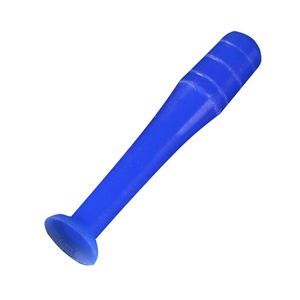
Silicone Orthokeratology Lens Suction Stick & Eye Care Box Set
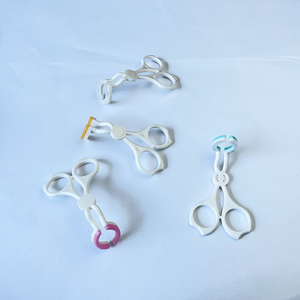
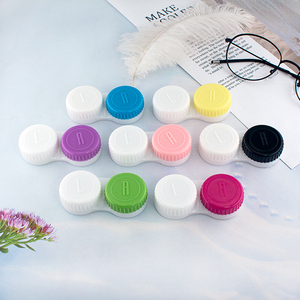
Custom OEM Contact Lens Storage Case & Inserter Tool Kit A-2
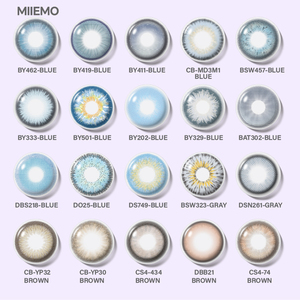
Soft Natural Colored Contact Lenses (ISO Certified, 38% Water)
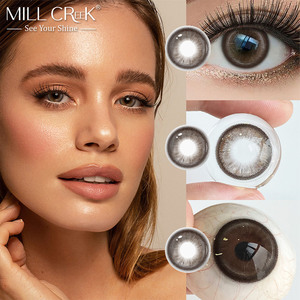
Bulk 14.0mm/14.5mm Cosmetic Colored Contact Lenses Yearly Disposable
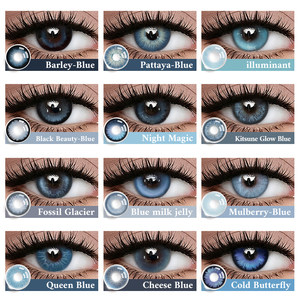
Wholesale Blue Cosmetic Contact Lenses (CE & ISO13485 Certified)
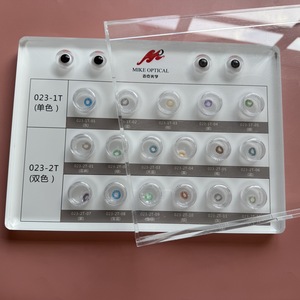
Acrylic Physical Store Contact Lens & Optical Counter Display Stand
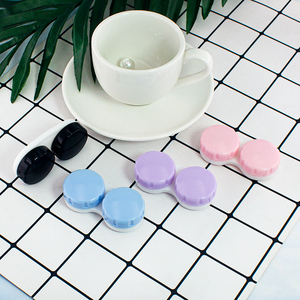
Lemon Brown Myopia Soft Color Contact Lenses with Retail Box
Custom Daily Disposable Spherical Soft Clear Contact Lenses
Demystifying Minimum Order Quantity (MOQ) in Global Contact Lens Manufacturing
In the medical device and optical retail supply chains, understanding the mechanics of Minimum Order Quantities (MOQ) is paramount for procurement directors, pharmacy chain buyers, and private label distributors. Minimum order threshold criteria are not arbitrary figures calculated by manufacturers; rather, they are complex engineering and financial parameters governed by automated cast moulding cycles, high-grade sterile liquid filling lines, customized blister foil printing, and international regulatory compliance overheads.
As a leading EU-focused developer and global exporter of private label eye care products headquartered in Ede, Netherlands, kyralens Technology Co.,Ltd provides complete transparency regarding MOQ structures. This whitepaper systematically breaks down how MOQs are established for spherical soft contacts, cosmetic color lenses, lubricating eye drops, multipurpose solutions, and optical accessories, helping retail buyers optimize unit cost structures while maintaining inventory efficiency.
Information Gain Insight: Optical manufacturing MOQ is divided into two distinct operational layers: Liquid & Polymer Production MOQ (determined by raw material autoclave sterilization batches) and Packaging Customization MOQ (determined by printed blister foils and multilingual carton runs). Aligning these two layers yields up to a 28% reduction in total landed procurement costs.
The Core Drivers of Contact Lens Factory MOQs
When evaluating a potential contact lens supplier or exporter, B2B buyers frequently encounter variable MOQ guidelines. To establish realistic inventory projections, optical procurement managers must understand the three foundational operational bottlenecks that dictate factory MOQ requirements:
1. Automated Polymer Cast-Moulding & Monomer Curing Lines
Modern contact lenses—whether fabricated from Hydrogel (HEMA-based) or advanced Silicone Hydrogel (high oxygen permeability Dk/t)—are produced via continuous automated cast-moulding technology. Initiating a production run requires calibrating high-precision optical moulds, establishing liquid monomer temperature gradients, and balancing UV polymerization cycles. A single monomer batch run typically yields between 5,000 to 10,000 individual lens units. Splitting runs below these thresholds leads to excessive raw material waste and prohibitive unit pricing.
2. Terminal Autoclave Sterilization Batches
Medical-grade contact lenses and eye drops must undergo rigorous terminal sterilization inside pressure steam autoclaves to meet European CE (MDR) and US FDA standard microbial safety levels. Sterilization chambers are calibrated for optimized volume density. Operating partial chamber cycles dramatically elevates per-unit energy consumption and batch validation costs, making standard lot sizes mandatory for cost-effective manufacturing.
3. Secondary Packaging & Multilingual Label Printing
Private label clients requiring custom-branded foil covers, unique outer folding cartons, and translated package inserts (IFUs) face secondary packaging MOQs. While unprinted clear blister packaging can be ordered in smaller test quantities, high-speed rotary foil printing machines require minimum setup lengths (typically 3,000 to 5,000 meters of foil), which naturally sets the minimum boundary for custom-printed packaging runs.
Comprehensive B2B Contact Lens MOQ Matrix
Compare standard OEM production tiers, customization limits, lead times, and unit cost impacts across major product categories.
| Product Category | Standard OEM MOQ | Private Label Fast-Track MOQ | Diopter / Power Split | Production Lead Time | Regulatory Certifications |
|---|---|---|---|---|---|
| Daily Clear Lenses (Hydrogel) | 10,000 pcs / SKU | 3,000 pcs / SKU | 100 pcs / Power Step | 15 - 25 Days | ISO13485, CE 2460, FDA 510(k) |
| Silicone Hydrogel Monthly Lenses | 5,000 pcs / SKU | 1,500 pcs / SKU | 50 pcs / Power Step | 20 - 30 Days | ISO13485, CE 2460, MDR Compliant |
| Natural Cosmetic Color Lenses | 3,000 pcs / Shade | 1,000 pcs / Shade | Plano (0.00) to -8.00D | 25 - 35 Days | ISO13485, CE Mark, GMP Certified |
| Preservative-Free Eye Drops (10ml) | 10,000 Units | 2,500 Units | N/A (Standard Drops) | 14 - 20 Days | Medical Device Class IIa |
| Custom Lens Storage Cases | 2,000 Sets | 500 Sets | N/A (Custom Logo Printing) | 10 - 15 Days | BPA-Free, REACH Compliant |
Future Trends in Global Contact Lens Procurement (2026–2030)
As the international eye care retail sector evolves, procurement managers must adapt to structural market shifts. Over the next five years, four critical trends will redefine how distributors, optical chains, and ecommerce brands negotiate MOQs and manage inventory logistics:
1. High Dk/t Silicone Hydrogel Dominance
Consumer preference is rapidly shifting away from conventional 2-HEMA materials toward high oxygen transmissibility Silicone Hydrogel formulations. Supplier MOQs for silicone hydrogel are declining as manufacturing scale expands, allowing private label retailers to offer premium health-focused lenses at competitive price points.
2. Sustainable & Plastic-Reduced Packaging
Regulatory mandates in the European Union are pressing optical manufacturers to reduce virgin plastic packaging. Next-generation blister packs utilize recyclable aluminum foils and biodegradable polypropylene shells. Suppliers with agile packaging lines are lowering MOQs for eco-friendly product lines to accelerate market adoption.
3. Micro-MOQ Hub Warehousing & JIT Delivery
Leading exporters like kyralens Technology Co.,Ltd are bridging the gap between factory-level MOQs and retail flexibility by establishing strategic European hub warehousing (such as our centralized logistics site in Ede, Netherlands). This allows enterprise clients to place bulk master orders while scheduling monthly Just-In-Time (JIT) stock deliveries.
4. Multi-Tone Digital Printing for Cosmetic Lenses
Traditional multi-color pad printing for cosmetic lenses required individual printing plates for each shade, artificially driving up color-specific MOQs. High-definition 3D digital ink encapsulation now allows manufacturers to seamlessly switch color patterns, lowering per-shade MOQs by up to 50% for boutique fashion brands.
5-Step Strategic Private Label Production Workflow
From technical product specification to global customs clearance, our structured methodology minimizes launch risk for retail buyers.
Category Brief & Analysis
We evaluate target demographics, regional compliance needs, price positioning, and existing shelf gaps to define optimal parameter ranges.
Parameter Specification
Select lens materials (Hydrogel vs. Silicone Hydrogel), hydration levels (38%-58%), base curve (BC 8.5/8.6mm), and diopter ranges.
Brand & Packaging Design
Our team develops compliant, multilingual blister foils, folding cartons, and patient information leaflets tailored to destination market regulations.
Regulatory Dossier Audit
Comprehensive verification of declarations of conformity, ISO13485 quality audit records, CE certificates, and batch traceability codes.
Production & Global Logistics
High-speed automated manufacturing, rigorous lot-by-lot sterility testing, temperature-controlled transit, and reliable warehouse replenishment.
Ready to Consult?
Connect directly with our procurement engineering specialists to optimize your SKU minimums and custom packaging configurations.
Why Global Retail Chains Rely on kyralens Technology Co.,Ltd
Based in Faradaystraat 14, 6718 XT Ede, The Netherlands, kyralens Technology Co.,Ltd is a premier global wholesaler, manufacturer, and distributor specializing exclusively in private label eye care solutions. Our interdisciplinary team blends deep optical material science with practical retail category management expertise. We manage every touchpoint of eye care manufacturing—encompassing daily/monthly corrective lenses, fashion color contacts, sterile lubricating eye drops, multipurpose disinfection fluids, storage cases, and reading glasses.
Proven OEM/ODM Supply Capabilities for Global Retail Leaders



Frequently Asked Questions (FAQ) on Contact Lens MOQ & Supply
Detailed technical and commercial answers tailored for optical chain buyers, pharmacy network managers, and OEM brand owners.
What is the absolute minimum order quantity (MOQ) for a private label contact lens launch?
How do prescription power splits (diopters) affect total order MOQ?
Can we combine different product categories (e.g., lenses, eye drops, and cases) to meet master MOQ thresholds?
What regulatory compliance documentation accompanies OEM contact lens export shipments?
What is the standard production turnaround time once an MOQ order is confirmed?
Are product samples available for clinical testing and packaging evaluation prior to placing bulk MOQ orders?
Ready to Scale Your Private Label Eye Care Brand?
Consult with our Netherlands-based OEM/ODM specialists today. Request custom MOQ price matrices, request product samples, or build a tailored inventory distribution schedule for your retail chain.
kyralens Technology Co.,Ltd · Faradaystraat 14, 6718 XT Ede, The Netherlands · Email: [email protected]