Featured Optical & Manufacturing Solutions
Explore our certified range of fashion contact lenses, automated filling hardware, and OEM packaging systems engineered for global distributors.
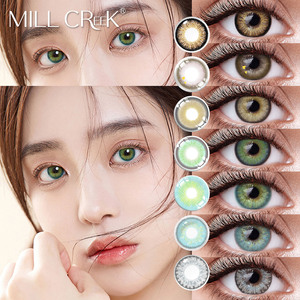
Haipurecon Factory Direct Wholesale Soft Color Contact Lenses $1 Per Pair MOQ 100 Pairs Limited Stock
Send an Inquiry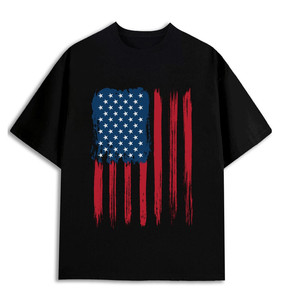
American Flag Men's T-Shirt 100% Cotton Heavyweight 180GSM Printed Design Made in USA Ships From US Warehouse
Send an Inquiry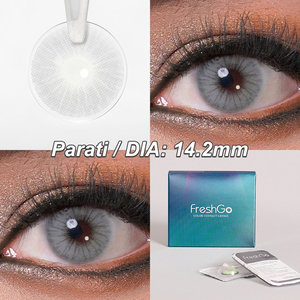
Free Shipping Freshgo Eye Lenses Color Natural Contact Lens RIO Wholesale Lentillas Custom Soft Yearly Colored Contacts for Eyes
Send an Inquiry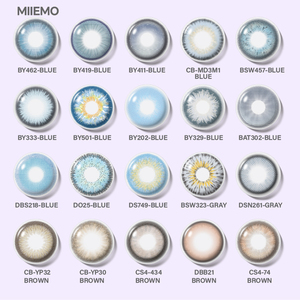
2026 Best Selling Colored Contact Lenses Soft Natural Eye Lenses ISO Certified 38% Water Content Half Year Using Cycle Wholesale
Send an Inquiry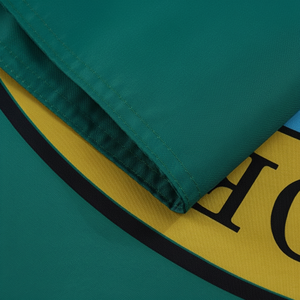
USA TOP FLAGSINC Washington Flag 3x5 ft Double Sided Outdoor Vivid Color Polyester 350g/kg Made in USA
Send an Inquiry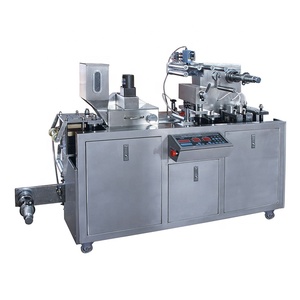
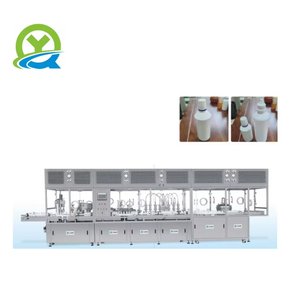
DPP80 Small Mini Automatic ALU-Plastic Contact Lenses Blister Packing Machine Factory Price Hot Sale
Send an Inquiry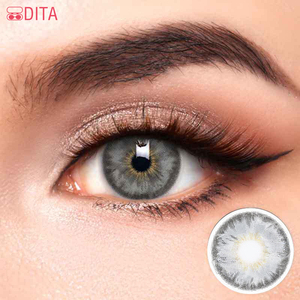
OEM Brand Silicone Hydrogel 1 Year Cheap Eye Contact Lenses Cosplay Disposable Contact Lenses
Send an Inquiry99.4%
Biocompatibility Yield
ISO 13485
Certified Facilities
120+
Global Export Markets
0.00%
Monomer Leakage Rate
Executive Summary: The Evolution of Cosmetic Contact Lenses in Global Retail
The global aesthetic optical industry has undergone a monumental shift over the past decade. Cosmetic contact lenses—once categorized strictly as niche theatrical accessories—have transitioned into mainstream daily beauty staples. Today, fashion contact lenses represent one of the fastest-growing categories in personal care and optical retail, commanding high consumer repeat-purchase rates and driving substantial retail margins across drugstores, boutique optical chains, and direct-to-consumer (DTC) e-commerce platforms.
According to recent industry analytics, the global market for color contact lenses is projected to surpass USD 5.2 Billion by 2030, expanding at a CAGR exceeding 8.4%. This growth is overwhelmingly fueled by advancements in material chemistry, automated micro-encapsulation printing processes, and heightened consumer demand for eye-enhancing cosmetic products across Europe, North America, the Middle East, and Asia-Pacific.
However, navigating the global supply chain as an optical procurement director or private label retail buyer presents intricate challenges. The optical sector operates under stringent regulatory oversight (including EU MDR compliance, US FDA 510(k) clearances, and ISO medical device standards). Establishing a resilient, high-yield supply chain requires partnering with an established, highly vetted manufacturer capable of guaranteeing micro-precision center thickness, high oxygen transmissibility (Dk/t), pristine edge profiles, and zero pigment leaching.
Enterprise Capability & Structural Advantages: kyralens Technology Co., Ltd.
As a senior optical partner based out of Faradaystraat 14, 6718 XT Ede, The Netherlands, kyralens Technology Co., Ltd. stands at the forefront of private label eye care product development. Positioned uniquely at the intersection of European optical quality standards and scalable, automated global manufacturing, kyralens manages end-to-end category operations for major international pharmacy networks, hypermarket syndicates, and premier beauty retailers.
Regulatory Precision & Traceability
Every single batch produced across our facility network undergoes rigorous lot-level audit trails. We issue comprehensive Declarations of Conformity, technical dossier reviews, sterile barrier testing reports, and custom country-specific regulatory approvals prior to shipment.
Full-Category Optical Supply
We eliminate single-product supply chain vulnerabilities by offering a complete shelf assortment: daily and monthly hydrophilic soft lenses, silicone hydrogel matrix lenses, lubricating eye drops, multipurpose cleaning solutions, and automated DPP packaging machinery.
Global Distribution Reach
With an established logistics footprint serving drugstores, grocers, and optical conglomerates across Europe, the Middle East, and Asia, our localized market intelligence ensures compliance with varying regional labeling and packaging requirements.
Through strategic capital investment in fully integrated filling machinery (such as electric automatic care solution filling lines equipped with precision gear pump motors) and compact mini ALU-plastic blister sealing systems (like the DPP80 series), kyralens provides business partners with scalable flexibility—from low-MOQ pilot initiatives (100 pairs) to multi-million unit international rollouts.
Technical Deep-Dive: Material Science, Oxygen Transmissibility & Color Safety
In evaluating fashion contact lenses, optical buyers must look beyond cosmetic aesthetics to examine fundamental biomaterial chemistry and mechanical properties. The corneal epithelium requires constant oxygen diffusion to prevent corneal hypoxia, neovascularization, and edema. Consequently, modern fashion lens manufacturing relies on two core material paradigms:
1. Hydrogel (HEMA-based Hyaluronic Acid Matrices)
Conventional hydrogel contact lenses utilize Hydroxyethyl Methacrylate (HEMA) co-polymers, optimized with water content levels ranging between 38% and 58%. The fundamental advantage of 38% water content low-water hydrogel lies in its exceptionally low rate of dehydration in air-conditioned or digital-screen environments. Lenses with 38% water content draw less moisture away from the wearer's natural tear film, making them ideal for half-year and yearly usage cycles where dimensional stability is essential.
2. Silicone Hydrogel (SiHy) Next-Generation Composites
Silicone hydrogel represents the gold standard in modern contact lens manufacturing. By incorporating siloxane monomers into the hydrogel polymer network, oxygen permeability (Dk) is increased exponentially—achieving oxygen transmissibility values (Dk/t) up to 4 to 5 times higher than standard HEMA hydrogel. This permits prolonged daily wear without compromising corneal health, serving as a powerful selling proposition for premium private label brands.
3. Micro-Encapsulation Bio-Color "Sandwich" Technology
The primary safety hazard associated with low-tier cosmetic contact lenses is direct pigment contact with the ocular tissue. Leading certified manufacturers utilize a multi-layer Micro-Encapsulation "Sandwich" Printing Process. In this system:
- Base Clear Layer: A biocompatible inner monomer layer sits directly against the cornea.
- Encapsulated Pigment Matrix: Non-toxic, FDA-approved organic and inorganic pigments (iron oxides, titanium dioxide, phthalocyanine greens) are micro-printed onto the base substrate.
- Protective Coating Layer: A transparent outer monomer layer encapsulates the pigment entirely within the polymer structure.
This structural isolation guarantees that optical pigments never touch the corneal surface or palpebral conjunctiva, eliminating risks of mechanical abrasion, pigment leaching, or allergic papillary conjunctivitis.
Future B2B Procurement Trends (2026–2030)
As retail buyers, procurement managers, and brand strategists prepare for upcoming inventory cycles, several key structural shifts are reshaping the wholesale optical market:
1. Dominance of Daily Disposables
Consumer preferences are rapidly tilting toward daily disposable fashion lenses. Driven by hygiene awareness and convenience, daily single-use formats eliminate the need for cleaning solutions and storage cases, generating higher recurring revenue for retailers.
2. On-Demand Automated Packaging
Forward-thinking exporters are decentralizing localized packaging. By deploying compact, factory-grade automatic ALU-plastic blister sealing machines (such as the DPP80 unit), regional distributors can stock sterile un-packed lenses in bulk and package them locally in customized private label cartons.
3. Hyper-Natural Iris Mimicry
Cosmetic visual trends have shifted from stark, high-opacity graphic designs toward subtle, multi-tonal limbal ring enhancements. Modern 3-tone natural patterns utilize micro-dot radial gradients that blend seamlessly with natural iris pigmentation.
4. Preservative-Free Dry Eye Solutions
Cosmetic lens wearers frequently experience transient dry eye symptoms. Bundling fashion contact lenses with specialized lubricating eye drops (utilizing hyaluronic acid or HPMC formulations) creates high-margin cross-selling opportunities for optical retailers.
The B2B Sourcing Framework: From Concept to Shelf-Ready Assortment
To launch a compliant, commercially viable fashion contact lens line, international buyers should follow a structured procurement roadmap:
- Category Alignment & Demographic Profiling: Define the target audience (e.g., natural daily enhancement vs. cosplay fashion), replacement cycle (daily, 30-day, 6-month, yearly), and price point strategy.
- Technical Specification Sign-Off: Establish material parameters including Base Curve (typically 8.5mm to 8.6mm), Diameter (14.0mm to 14.5mm), Water Content (38% to 58%), and Power Range (0.00 Plano up to -8.00D corrective diopters).
- Biocompatibility & Sterilization Audit: Verify supplier ISO 13485 certification, moist heat autoclave sterilization parameters, bioburden testing records, and cytotoxicity assessments.
- Packaging Design & Dieline Engineering: Create compliant primary blister foils and secondary retail cartons featuring multi-lingual warnings, symbols (ISO 15223-1 standard), lot numbers, and expiration dates.
- Pilot Batch Validation & Mass Delivery: Initiate a trial production run to test customs clearing, box integrity, and local warehouse intake before scaling up to master container orders.
Frequently Asked Questions (FAQ) for Optical Procurement
Essential guidance for international buyers, pharmacy chain category managers, and private label importers.
What is private label eye care manufacturing, and how does it work?
Private label eye care manufacturing allows retailers, pharmacy networks, and beauty brands to contract specialized medical device manufacturers to produce contact lenses, eye drops, and cleaning solutions under the retailer's proprietary brand name. The manufacturer handles technical formulation, ISO/CE compliant production, blister packaging, and documentation, allowing the brand owner to focus exclusively on distribution, retail marketing, and channel management.
What regulatory documentation is required to import fashion contact lenses?
Because contact lenses are classified as Class IIa or Class IIb medical devices globally, importers typically require ISO 13485 Quality Management System certificates, CE Certificates of Conformity (under EU MDR 2017/745), US FDA 510(k) clearances (for North American markets), Sterilization Validation Reports, and Certificate of Analysis (CoA) for each production lot. kyralens provides full technical dossiers tailored to destination market regulations.
How does 38% water content compare to 58% water content in color lenses?
Lenses with 38% water content are low-water hydrogel lenses. They absorb less natural tear fluid from the wearer's eye, resulting in lower lens dehydration rates throughout extended wearing hours. This makes 38% water content ideal for dry-eye prone wearers and long-duration modalities (such as quarterly or yearly wear). Higher water content lenses (58%) offer soft initial insertion comfort but can pull hydration from the eye over long shifts in ambient dry air.
What are the minimum order quantities (MOQs) for wholesale fashion contact lenses?
MOQs vary depending on customization depth and packaging requirements. Factory-direct stock wholesale lots can start as low as 100 pairs for limited promotional inventory. Full custom private label runs—involving customized blister foil prints, bespoke outer cartons, and non-standard color patterns—typically start between 1,000 to 5,000 pairs per SKU.
How is color pigment safety guaranteed in fashion contact lenses?
Top-tier manufacturers utilize Micro-Encapsulation "Sandwich" technology, where organic, non-toxic pigment layer is sealed completely between two transparent hydrogel monomer layers. This structural sandwich ensures zero physical contact between the color pigments and the cornea or eyelids, eliminating abrasion risks and monomer leakage.
Can automated blister sealing and liquid filling machinery be acquired for localized hubs?
Yes. Many large international optical distributors procure specialized desktop or mini production machinery (such as the DPP80 mini ALU-plastic blister packing machine or automatic solution filling lines). This equipment enables regional distribution hubs to fill solution bottles or package sterile un-cut lenses locally under proprietary private label branding while retaining full factory quality standards.