OEM Specialty
American Flag Windsock Embroidered Stars 4th July Outdoor Hanging Stripes 350g Made in USA TOP FLAGSINC
Grade: Promotional / Allied
Format: OEM Export
Explore our certified sandwich-structured cosmetic, medical-grade fundus diagnostic, and sustainable optical portfolios manufactured for pharmacies, optical chains, and global distributors.
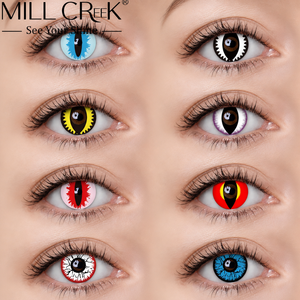
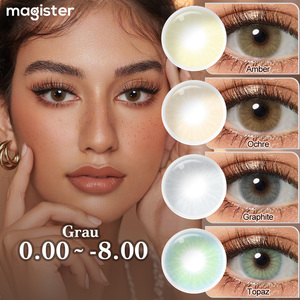
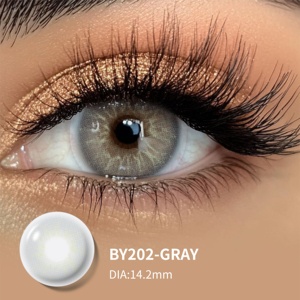
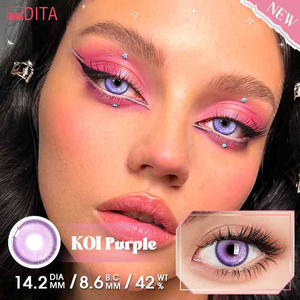
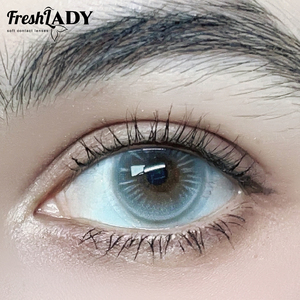
Dual hydrogel membrane envelopment preventing direct corneal and palpebral conjunctival contact.
Optimized polymer hydration matrix ensuring continuous tear-film lipid balance and all-day comfort.
Supplying industry leaders including Watsons, Rossmann, Kruidvat, Albert Heijn, and REWE.
Fully automated cast-molding lines adhering strictly to ISO 13485 and European MDR 2017/745 standards.
In the arena of cosmetic and corrective ophthalmic prosthetics, Sandwich Technology—clinically termed dual-layer micro-encapsulation cast molding—represents the apex of ocular safety and chromatic stability. Historical cosmetic contact lenses often utilized surface-printing or dye-dipping techniques, wherein reactive chemical colorants rested on the external surface of the hydrogel matrix. Such legacy architectures subjected the delicate ocular surface to direct mechanical abrasion from pigment grains and introduced alarming risks of monomer leaching, cytotoxic oxidation, and corneal erosion.
In contrast, kyralens engineered sandwich technology creates an impenetrable 3-stratum polymeric sandwich. The bio-inert color layer is precisely micro-printed onto a cured front optical curve and immediately encapsulated by an identical, unpigmented back layer of Poly-HEMA (2-hydroxyethyl methacrylate) or advanced silicone hydrogel polymer. As a result, the optical dyes remain permanently locked inside the microscopic molecular lattice of the lens core. Neither the anterior corneal epithelium nor the delicate tarsal conjunctiva of the upper eyelid ever encounters raw colorants, ensuring pristine physiological biocompatibility, zero pigment migration, and uncompromised tear-film exchange.
| Evaluation Parameter | Legacy Surface Printing | Conventional Lathe-Cut Tinting | Proprietary Sandwich Cast-Molding |
|---|---|---|---|
| Pigment Exposure | Direct exposure to cornea & conjunctiva | Partial surface porosity exposure | 0% Contact (100% Encapsulated in Dual Hydrogel) |
| Corneal Shear Friction | High; micro-roughness creates eyelid friction | Moderate; localized topographical variance | Ultra-Low; atomically smooth biomimetic profile |
| Oxygen Transmissibility (Dk/t) | Impaired by surface lacquer barriers | Erratic distribution across optical zones | Uniform microporous gas diffusion pathways |
| Color Degradation & Leaching | Susceptible to saline & lipid breakdown | Fades under peroxide disinfectant regimens | Zero chemical leach, withstands all care solutions |
| Regulatory Risk Profile | High recall frequency under EU MDR / US FDA | Variable batch-to-batch repeatability | Class IIa / 510(k) Pre-Market Cleared Compliance |
For procurement officers, optometrists, and clinical retail buyers, the physiological impact of cosmetic lenses is the paramount metric determining customer retention and brand equity. A poorly engineered colored lens impedes corneal respiration, precipitating epithelial edema, limbal hyperemia, and microcystic lesions. Our advanced sandwich manufacturing process resolves this challenge through three interdependent technological breakthroughs:
kyralens Technology Co., Ltd functions as an authoritative European-headquartered developer and global supply engine for leading drugstores, grocers, and optical conglomerates. Rooted in rigorous optical engineering standards, our private label programs eliminate retail launch friction through complete lifecycle accountability. Operating under ISO 13485:2016 quality management systems and strictly monitored ISO Class 7 cleanrooms, every batch undergoes automated laser interferometry, spectrophotometric chromatic verification, and comprehensive endotoxin/bioburden screening before release.
Whether servicing multinational retail giants such as Watsons, Rossmann, Kruidvat, and Albert Heijn or empowering bespoke independent beauty labels, our vertically integrated manufacturing footprint bridges regulatory certification, design customization, multilingual technical packaging, and agile logistics across Europe, the Middle East, and the Asia-Pacific territory.
Strategic analysis for enterprise procurement teams: How technical innovation, ecological stewardship, and regulatory changes are reshaping contact lens supply chains worldwide.
Global category buyers are accelerating the transition from standard Poly-HEMA to high-Dk/t silicone hydrogel formulations. SiHy sandwich lenses deliver five to six times more oxygen to the cornea, allowing brands to capture premium pricing tiers and satisfy demanding daily-wear consumer segments.
With stringent European packaging waste directives (PPWR), leading retail procurement teams mandate 100% recyclable polypropylene blister containers, ultra-low saline volumes, and reduced aluminum lid foil thickness to lower carbon footprints across maritime transport corridors.
While annual and monthly wear cycles maintain niche followings in select markets, over 68% of new private label cosmetic projects now center on single-use daily disposables. 1-day modalities eliminate lens case contamination and maximize recurring consumer repurchase frequency.
The tightening enforcement of European Medical Device Regulation (EU MDR 2017/745) Class IIa classification means factories without robust post-market clinical follow-up (PMCF) and validated technical files are excluded from prime retail channels. Audited documentation has become the foremost procurement barrier.
Modern consumers demand multidimensional iris textures mimicking natural eye morphology. Advanced suppliers utilize 3-tone and 4-tone dot-matrix sandwich print layouts that provide striking cosmetic enhancement while blending harmoniously with dark and light natural iris pigments.
Retail buyers no longer source colored contacts in isolation. Modern category managers bundle contact lenses with private-label lubricating eye drops, multipurpose cleaning disinfectants, and antimicrobial storage accessories to build a unified, high-margin eye health aisle.
A turnkey manufacturing infrastructure engineered to mitigate procurement risks, guarantee clinical conformity, and deliver superior shelf performance.
From custom formulation, base curve calculation, and packaging CAD design to automated blister filling, labeling, and shelf-ready retail cartons.
Full technical documentation, Declaration of Conformity, lot traceability, and biocompatibility safety reports compliant with EU MDR and global health authorities.
Synergistic production spanning soft cosmetic lenses, spherical/toric corrective lenses, ophthalmic diagnostic devices, sterile drops, and lens solutions.
Structured manufacturing schedules accommodate low-MOQ pilot market testing up to container-load nationwide replenishments with deterministic lead times.





Expert clarifications regarding sandwich contact lens manufacturing, quality assurance protocols, minimum order thresholds, and regulatory clearance.
Sandwich technology isolates inorganic color pigments (such as iron oxides, titanium dioxide, and phthalocyanines) between two discrete, fully polymerized layers of optical hydrogel. During our automated cast-molding sequence, the pigment layer is locked chemically and mechanically within the crosslinked 3D polymer network. Under rigorous ISO 10993 cytotoxicity, ocular irritation, and systemic toxicity testing, lenses manufactured with this method exhibit zero detectable dye leaching even after prolonged exposure to hydrogen peroxide and alcohol-based multipurpose cleaning solutions. As a result, the user's corneal surface and conjunctiva are never exposed to particulate matter or chemical dyes.
Our MOQ structure is tiered to accommodate both market introduction phases and massive retail rollouts. For custom private label packaging utilizing our established inventory of high-demand shades (0.00 plano power), pilot orders start as low as 1,000 to 3,000 pairs across selected SKUs. For completely custom shade development, unique pattern engraving, or specialized prescription diopter ranges (-0.50D to -10.00D with cylinder corrections), standard manufacturing batches start at 5,000 to 10,000 units per individual SKU. We work collaboratively with procurement directors to phase shipments and optimize warehouse inventory turnover.
Every product line manufactured by our facility is accompanied by complete regulatory dossiers. We provide ISO 13485:2016 Medical Device Quality Management certificates, CE marking documentation aligned with European MDR 2017/745 (Class IIa medical devices), US FDA 510(k) summary clearances for qualified product lines, Free Sale Certificates (CFS), sterility validation reports (autoclave sterilization under ISO 17665), and accelerated shelf-life stability data supporting up to 5-year expiration dates. Our regulatory affairs team assists your local compliance managers during national health registry submissions in Europe, the Middle East, Southeast Asia, and the Americas.
We offer extensive customization across all physical and optical parameters. Base curves (BC) typically range from 8.5mm to 8.7mm, with total diameters (DIA) from 14.0mm to 14.5mm (including specialized 14.8mm graphic diameters for cosplay or circle lens collections). Water content is configurable between 38% to 45% for Poly-HEMA hydrogels and up to 55% for silicone hydrogel substrates. Wear modalities encompass daily disposable (1-day single use), bi-weekly, monthly, and yearly replacement schedules. Blister pack labeling, cartons, foil barrier prints, and patient instruction leaflets are fully tailored to your language and brand visual identity.
Yes. As a comprehensive eye care solution provider, kyralens manufactures and packages an entire retail assortment under your private brand. In addition to sandwich cosmetic and corrective contact lenses, we formulate and bottle lubricating eye drops (artificial tears with sodium hyaluronate in preservative-free or multidose formats), multipurpose lens disinfectant solutions, hydrogen peroxide cleaning systems, anti-microbial lens storage cases, travel insertion tools, and ready-to-wear reading glasses. Sourcing the entire category from a single partner ensures uniform branding, simplified vendor audits, and consolidated container freight economics.
Quality assurance follows strict statistical process controls (AQL 0.4 / 1.0). Each lens undergoes automated machine-vision optical edge inspection to identify microscopic flash, tears, or edge notches. Chromatic density and center placement are confirmed through high-resolution spectrophotometry. Post-packaging, blister seals undergo vacuum leak testing and burst-pressure trials to verify sterile barrier integrity. Finally, finished batches undergo microbiological bioburden testing and temperature-controlled autoclave sterilization cycles (121°C for 20 minutes) with physical and chemical indicator confirmation per lot.
Consult with our optical formulation specialists and category managers to receive technical documentation, samples, custom packaging templates, and volume factory quotations.