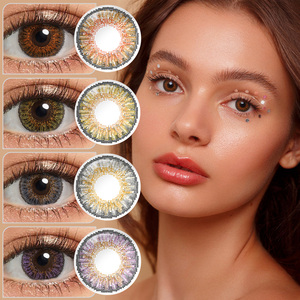
Product Catalog Showcase
High-Opacity Colored Contact Lenses Formulated for Dark Irises
Explore our export-ready, PMDA-adaptable OEM/ODM product series engineered with multi-tone sandwich layering technology for maximum pigment vibrancy over dark brown and black irises.
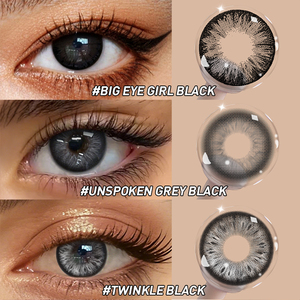
Lalens Big Eye Girl Series Colored Contact Lenses Wholesale Best Contacts for Dark Eyes Prescription Myopia New Arrival in Stock
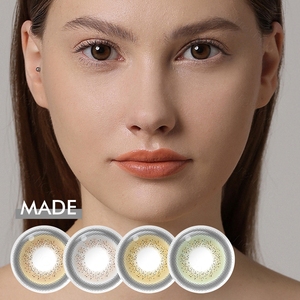
Bestsales FRESHGO Pupilentes De Color Lentilles De Contact De Couleur for Dark Eyes SYMPHONY Contacts Eyes Color Lens Cosmetic
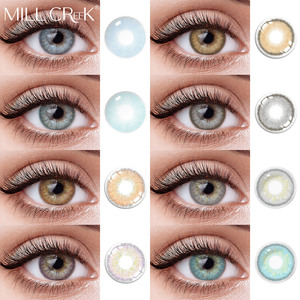
MILLCREEK Colored Contact Lenses Contacts Lenses Color Soft Daily Ultrathin Lenses 14.0mm 40% Water Content Lentes De Contacto
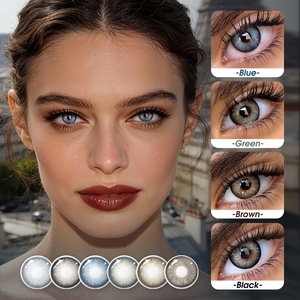
Lalens Natural Color Contact Lens Prescription Wholesale Eye Makeup Cosmetic Lens Colored Contact Lenses 14.5MM for Dark Eyes
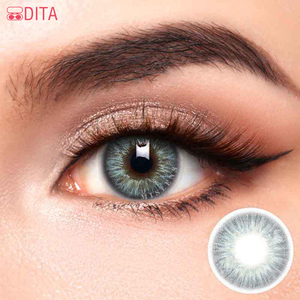
Wholesale Beauty Color Contact Lenses for Dark Eyes Soft Color Contact Lens Natural Colored Contacts
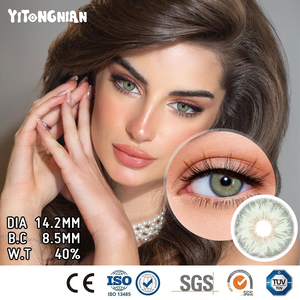
YITONGNIAN Siri Green Lens Dawn Brown Contact Lenses Colorful Lady Contact Lenses Eye Lenses Color Contact Lentes De Contato
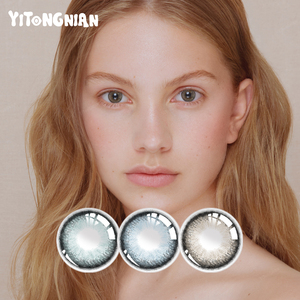
YITONGNIAN Eyewear Hazel Color Contact Lens 81 Wholesale Colored Contact Lenses Dark Eye Big Eye Nature Lentes De Contacto Big
Executive Industry Whitepaper
1. Executive Summary & Japan Market Dynamics for Color Contact Lenses
The Japanese cosmetic contact lens sector (popularly known locally as "Colorcon" or カラコン) represents one of the world's most lucrative and quality-demanding retail markets. Valued at over ¥75 Billion JPY annually, Japanese consumer purchasing behavior is heavily skewed toward daily disposable lenses (1-Day) that offer high visual coverage without sacrificing physiological corneal health.
A primary engineering challenge for international contact lens manufacturers entering the Japanese market is the natural anatomical iris structure of the local population. Japanese irises exhibit a dark brown to black baseline hue (ranging between Level 1 and Level 2 on the Fiala/Martin-Saller iris color scale), characterized by dense concentrations of Eumelanin in the anterior border layer of the iris stroma. Standard European or North American color contact lenses—often printed with semi-translucent dyes meant to enhance light hazel or blue eyes—fail dramatically when worn on dark Asian eyes, resulting in muddy tone rendering, dull visual outcome, or artificial color bleed.
To capture market share in Japan's retail channels (including Don Quijote, Loft, Matsumoto Kiyoshi, Sundrug, and specialized e-commerce platforms like Rakuten and Qoo10), brand owners and pharmaceutical distributors require manufacturing partners capable of delivering high-opacity micro-dot printing, ultra-thin sandwich encapsulation, and strict regulatory compliance under Japan's PMDA (Pharmaceuticals and Medical Devices Agency).
Multi-Tone Sandwich Encapsulated Dye
Micro-encapsulation seals pigment layers completely inside the hydrogel matrix, ensuring zero color-to-cornea contact in compliance with Japanese Industrial Standard JIS T 7333.
High Oxygen Permeability (Dk/t)
Advanced non-ionic Poly-HEMA and Silicone Hydrogel substrates maintain high corneal oxygenation, preventing hypoxia during 12+ hour daily wear schedules.
PMDA Class III Compliance Ready
Complete Technical Dossier support, ISO 13485 manufacturing facilities, and Foreign Medical Device Manufacturer Accreditation (Toroku) for seamless registration.
Pigmentation & Polymer Science
2. Engineering High-Opacity Color Dynamics for Dark Irises
Formulating colored contact lenses for Japanese end-users requires a balance between optical density, color accuracy, and light transmission. When dark melanin dominates the underlying iris tone, low-opacity pigment matrices suffer from light absorption—making hazel, olive green, or ash gray lenses appear muddy or invisible.
To overcome this limitation, top-tier OEM manufacturers implement a 3-Tier Pigment Stacking Matrix:
- Base Layer (White/Opaque Foundation Grid): A micro-dot rasterized white matrix applied at sub-micron thickness. This acts as an optical reflector, neutralizing the background absorption of dark brown melanin without blocking peripheral vision.
- Mid-Tone Layer (Chroma & Accent Pattern): Highly saturated organic and inorganic pigment dots (iron oxides, phthalocyanine green, titanium dioxide) applied in radial iris patterns. This creates rich depth, mimicking natural iridial trabeculae and crypts.
- Limbus Layer (Outer Edge Gradient): A soft dark brown or gray limbal ring that defines the corneal circumference, creating the highly coveted "Churu-n" (glossy/moist) or "Mori" (enlarging) effect popular in Japanese cosmetic trends.
Technical Performance Matrix: Standard Lenses vs. Japanese Market OEM Specification
| Technical Parameter | Standard Export Cosmetic Lens | Japan Market High-Opacity OEM Specification | Impact on Dark Eye Performance |
|---|---|---|---|
| Pigment Density | Single-layer translucent ink | 3-Tier Micro-Dot Stacking with Base Masking | +300% Vibrant Color Rendering on Dark Brown Irises |
| Manufacturing Process | Surface Transfer Pad Printing | Micro-Encapsulated Sandwich Casting (Cast Molding) | Zero Dye Exposure to Cornea / Complete Smoothness |
| Graphic Diameter (GDIA) | 13.8mm – 14.2mm (Aggressive) | 13.0mm – 13.6mm (Calibrated Natural Enlargement) | Matches Japanese Consumer Preference for "Bare-Eye" Look |
| Water Content / Substrate | 55% High Water (Dries fast in air-con) | 38% Low-Water Hydrogel / Silicone Hydrogel | Prevents Tear Absorption; All-Day Comfort in Offices |
| Edge Profile | Standard Chiseled Edge | Precision Precision-Tapered Smooth Edge | Minimizes Foreign Body Sensation & Palpebral Friction |
| Regulatory Status | CE Mark / FDA Cleared | PMDA Class III / Foreign Manufacturer Registered | Legally Marketable in Japanese Retail Channels |
Localization & Demographics
3. Localized Application Scenarios & Consumer Trends in Japan
Understanding Japanese consumer segmentation is vital for B2B buyers, brand owners, and importers establishing private label color contact lens lines. Lens preferences vary significantly depending on usage scenarios across Tokyo, Osaka, Nagoya, and Fukuoka.
Office & School "Naked Eye" (Hadaka-Gan) Segment
Focuses on subtle iris enhancement for working professionals and students. Key parameters: Graphic Diameter 13.0mm–13.3mm, natural mocha brown, warm olive, and soft black ring designs that pass strict workplace grooming standards.
Harajuku / Cosplay / Subculture Vibrant Segment
Popular among anime cosplayers, J-fashion enthusiasts, and street culture influencers. Demands 100% opaque lenses in vivid violet, turquoise, icy gray, and crimson red that completely overpower dark brown eyes on camera.
Gyaru & Nighttime Glamour Segment
Emphasizes dramatic eye enlargement and luminous contrast. Incorporates 3-tone hazel, honey brown, and champagne gold with GDIA 13.5mm–13.8mm to create bright, striking eyes under nightlife lighting.
Regulatory Roadmap
4. PMDA Certification & Japanese Compliance Guidelines for Manufacturers
In Japan, color contact lenses are categorized as Class III Highly Managed Medical Devices under the Ministry of Health, Labour and Welfare (MHLW). Overseen by the Pharmaceuticals and Medical Devices Agency (PMDA), overseas manufacturers cannot sell directly to Japanese consumers without satisfying stringent regulatory frameworks:
- Foreign Medical Device Manufacturer Accreditation (Toroku): Overseas factories producing contact lenses must obtain accreditation from the MHLW before exporting to Japan.
- Marketing Authorization Holder (MAH / Seizan Hanbai Gyosha): Foreign factories must partner with a licensed Japanese entity (MAH) who assumes legal responsibility for product quality and safety in the domestic market.
- JIS T 7333 Standards Compliance: Rigorous testing for dye leaching, oxygen transmissibility, light transmittance, and dimensional stability after sterilization.
- Japanese Package Insert & Packaging Laws: Products must be enclosed in blister packaging with Japanese-language warning leaflets, prescription management numbers, lot numbers, and expiration dates.
Why Partner With Us
kyralens Technology Co.,Ltd: Global Leader in Private Label Eye Care
As a specialized developer, wholesaler, and supply chain manager of private label eye care products, kyralens Technology Co.,Ltd bridges foreign medical technology with global retail standards. We enable pharmacy chains, drugstore groups, and optical distributors in Japan, Europe, the Middle East, and Asia to launch high-margin, fully compliant optical assortments.
End-to-End Category Shelf
From daily disposable contact lenses and cosmetic color lenses to lubricating eye drops, multipurpose cleaning solutions, lens cases, and reading glasses.
Full Regulatory Support
Comprehensive technical documentation, ISO 13485 certifications, CE dossiers, and PMDA audit readiness for seamless market entry.
Precision OEM/ODM Flexibility
Custom graphic diameters, proprietary color palette development, multilingual retail packaging design, and low-MOQ pilot project options.
Complete Batch Traceability
100% lot code tracking, automated optical cleanroom inspection, and strict QA/QC protocols from monomer synthesis to finished blister packing.
Procurement Insights
Frequently Asked Questions by Japanese B2B Buyers & Importers
Key technical, regulatory, and commercial answers for purchasing managers, optical brand directors, and importers in the Japanese market.
What makes your colored contact lenses effective on dark brown/black Japanese irises?
Our lenses utilize a proprietary 3-tone micro-dot matrix printing technique combined with an opaque titanium dioxide reflective base layer. This white/opaque backing blocks background melanin absorption while allowing the high-saturation chroma layer (hazel, gray, olive, blue) to render vividly without looking synthetic or unnatural.
Do you provide technical documentation for PMDA Class III approval in Japan?
Yes. We provide complete technical dossiers including ISO 13485 certificates, biocompatibility reports (cytotoxicity, sensitization, ocular irritation), stability data, dye leaching validation tests, and factory audit documentation to assist your Japanese Marketing Authorization Holder (MAH) in securing PMDA Class III approval.
What graphic diameter (GDIA) parameters do you offer for OEM orders targeting Japan?
We manufacture custom graphic diameters ranging from 12.8mm to 13.8mm with total lens diameters (DIA) of 14.0mm to 14.5mm. We specialize in Japanese-style natural limbal ring gradients ("Churu-n" effect) as well as higher GDIA lenses tailored for Gyaru and cosplay segments.
What are the minimum order quantities (MOQ) for custom private label packaging?
MOQs depend on whether you select standard stock shades or order custom-developed color patterns. For private label blister cartons with custom Japanese branding, MOQs typically start at 10,000 units per SKU. We also offer pilot batch options for initial market testing.
How do your lenses maintain comfort in air-conditioned office environments in Tokyo/Osaka?
We utilize low-water content hydrogel (38% water content) and non-ionic Silicone Hydrogel materials. Low water content materials do not draw moisture away from the eye's natural tear film, making them significantly more comfortable for prolonged screen use and dry indoor environments common in Japanese commercial offices.
Can kyralens supply bundled eye care products alongside colored contact lenses?
Absolutely. As a full-category eye care developer, kyralens Technology Co.,Ltd provides rewetting lubricating eye drops, contact lens cleaning solutions, storage cases, and reading glasses. This allows retail procurement teams to source their entire optical shelf under one unified private label partner.
Partner with a Leading Contact Lens OEM Manufacturer for Japan
Ready to launch or upgrade your private label colored contact lens brand for dark eyes in Japan or internationally? Contact our OEM engineering and regulatory team today for samples, technical specifications, and custom quotations.