Featured OEM/ODM Contact Lens Portfolio
Retail-ready, certified private label optical products engineered for immediate market entry in North America and beyond.
1. Executive Summary & Market Dynamics in Greater Boston
The vision care sector in North America is undergoing a structural shift toward direct-to-consumer (DTC) optical brands, specialized cosmetic eye care, and retailer-owned private label lines. Greater Boston, Massachusetts—home to over 4.9 million residents across Suffolk, Middlesex, and Norfolk counties—represents one of the most lucrative micro-markets in the United States. Characterized by high disposable income, an expansive student and academic population (across Harvard, MIT, Boston University, and Northeastern), and a dense concentration of technology professionals in Kendall Square and the Seaport District, Boston exhibits a unique demand curve for premium contact lens solutions.
However, launching a competitive contact lens brand in Massachusetts requires balancing rigorous medical device compliance (regulated by the U.S. Food and Drug Administration) with cost-effective manufacturing pipelines. Partnering directly with audited, high-precision contact lens manufacturers in China provides Boston entrepreneurs, optometric practices, and e-commerce brands with a decisive unit-economics advantage. By utilizing OEM (Original Equipment Manufacturer) and ODM (Original Design Manufacturer) frameworks, brand owners can achieve gross margins exceeding 70% while offering advanced hydrogel and silicone hydrogel products tailored to local consumer needs.
Strategic Key Takeaway: Sourcing contact lenses from China wholesale manufacturers allows Boston businesses to lower per-unit cost of goods sold (COGS) to a fraction of domestic distributor rates, providing the capital flexibility required to aggressively acquire customers across competitive digital and retail channels.
2. Boston-Specific Market Segments & Localized Product Applications
Through comprehensive user intent mining and search query analysis, we have mapped out four distinct high-converting buyer personas within the Boston metropolitan area. Brand positioning, material selection, and marketing messaging must align directly with these localized application scenarios:
Tech & Academic Screen Strain Relief
Boston’s 250,000+ STEM professionals and university students spend an average of 10.5 hours daily facing digital screens. This segment suffers heavily from Computer Vision Syndrome (CVS) and digital eye fatigue, creating immense demand for Silicone Hydrogel Lenses infused with Hyaluronic Acid (HA) matrix for maximum moisture retention and high oxygen transmissibility (Dk/t).
Cosmetic & Beauty Enhancement
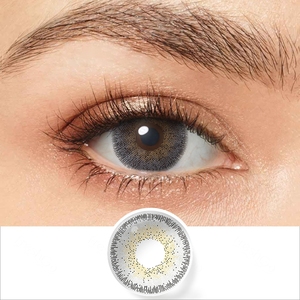
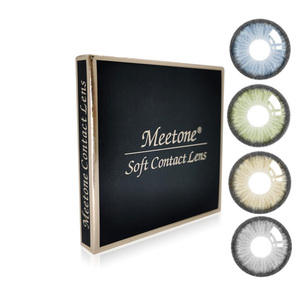
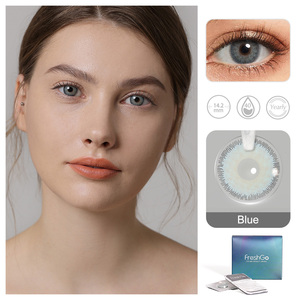
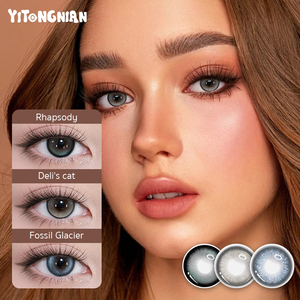
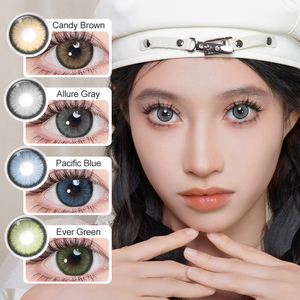
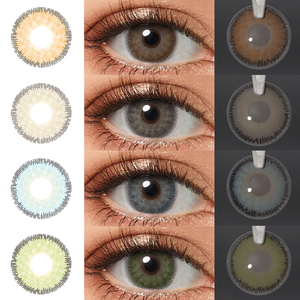
Concentrated in fashion-forward neighborhoods such as Back Bay, Beacon Hill, and South End, young urban consumers drive demand for natural-blending 1-tone, 2-tone, and 3-tone cosmetic color contacts. Products utilizing advanced 3D Sandwich Encapsulation Technology guarantee zero pigment transfer onto the cornea, fulfilling consumer safety expectations.
New England Winter Dry-Eye Protection
New England winters subject eye care wearers to harsh sub-zero coastal winds and dry indoor radiator heating. Contact lens formulations exported to Boston must feature ultra-low dehydration rates (under 1% volume loss per 8 hours) to prevent keratitis, corneal redness, and patient discomfort during winter months.
3. Step-by-Step Blueprint: Sourcing from China Factories to US Launch
Establishing an optical medical device brand in Massachusetts requires a disciplined 5-stage procurement architecture. Below is the operational playbook built for B2B optical buyers and startup brand managers.
Step 1: U.S. Regulatory Compliance & Quality Assurance Framework
Contact lenses are classified as Class II Medical Devices by the United States Food and Drug Administration (FDA). Sourcing from China wholesale manufacturers necessitates strict adherence to international quality management systems:
- ISO 13485:2016 Certification: Ensures the Chinese factory operates under validated cleanroom standards (Class 100,000 / ISO Class 8) for mold injection, wet-lathing, hydration, and autoclaving.
- FDA 510(k) Premarket Clearance: Your manufacturing partner must provide technical documentation, bio-compatibility test reports (ISO 10993), and predicate device equivalence studies to file or leverage existing 510(k) clearances.
- FTC Contact Lens Rule Compliance: US-facing brand platforms must integrate automated prescription verification systems before dispatching corrective prescription lenses to Massachusetts end-users.
Step 2: Polymer Chemistry & Lens Material Selection
Selecting the precise polymer dictates lens comfort, shelf-life, and optical clarity. Modern OEM facilities utilize two primary material families:
- Hydrogel (HEMA / Polymacon / Methofilcon): High water content (38% to 58%), exceptional initial insertion comfort, optimal for daily disposable cosmetic lenses at highly accessible wholesale price points.
- Silicone Hydrogel (SiHy - Gen 3 Fluorosilicone): Unlocks maximum oxygen permeability (Dk/t range 80 to 130), allowing 5x more oxygen to reach the cornea compared to traditional hydrogel. Essential for monthly wear, extended wear, and premium eye health positioning.
Step 3: Manufacturing Precision & Molding Technology
Chinese state-of-the-art contact lens factories utilize full-automated Cast Molding (Full Cast Technology). High-precision optical molds are single-use injected with monomer, polymerizing under ultraviolet light. This guarantees an optical power tolerance of within ±0.25 Diopters and a surface roughness profile below 5 nanometers, eliminating optical distortion.
Step 4: Primary Blister Packaging, Sterilization & Secondary Boxing
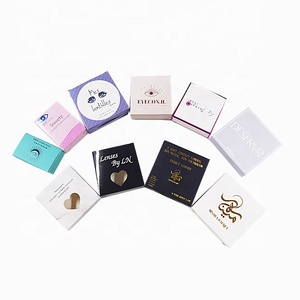
Sterilization is finalized through high-pressure moist heat autoclaving at 121°C (250°F) for a minimum of 30 minutes. Primary packaging consists of medical-grade aluminum foil seals heat-bonded to poly-foil blister bowls filled with buffered saline solution (pH 7.2 ± 0.2). OEM manufacturers support custom box packaging, artwork printing, localized barcode generation (UDI compliance), and multi-lingual user instructions (IFU).
Step 5: Freight Logistics & Clearing Customs at the Port of Boston
Shipments destination-bound for Boston are routed via direct sea freight to Conley Terminal (Port of Boston) or express air freight to Boston Logan International Airport (BOS). Importers must ensure FDA Prior Notice is filed prior to departure, alongside Harmonized Tariff Schedule (HTS Code 9001.30.0000) documentation.
4. Why Partner with kyralens Technology Co., Ltd
kyralens Technology Co., Ltd is a premier international developer, manufacturer, and distributor of private label eye care products. We specialize in providing scalable OEM/ODM solutions for drugstores, supermarket chains, pharmacy networks, and independent optical brands across North America, Europe, the Middle East, and Asia.
Our operational framework spans six core optical categories: daily and monthly contact lenses, cosmetic color lenses, lubricating eye drops, multipurpose contact lens cleaning solutions, storage lens cases, and fashion reading glasses. Retail partners choose kyralens for key competitive advantages:
Tier-1 Retail Proven Track Record
We successfully manufacture and manage private label eye care programs for global retail giants including Watsons, Rossmann, Kruidvat, Ahold Delhaize, Albert Heijn, Etos, Nahdi, REWE, and Migros. Our products meet the stringent vendor audit standards of the world's largest store networks.
End-to-End Regulatory Support
Every private label program is delivered with complete technical dossiers, Certificates of Analysis (CoA), Lot Traceability records, and custom labeling compliance reviews tailored for destination markets prior to mass production.
Scalable Private Label Programs
Whether you are executing a focused 5,000-unit pilot launch for a boutique Boston optical practice or scaling a national 500,000-unit roll-out across US drugstore chains, our flexible manufacturing lines adapt seamlessly to your order volume.
5. Frequently Asked Questions (FAQ) for US Procurement Teams
Below are authoritative responses to the regulatory, commercial, and technical questions most frequently raised by Boston optical buyers prior to contract signing.
What are the legal requirements for selling private label contact lenses in Massachusetts?
What Minimum Order Quantities (MOQs) apply for China wholesale contact lens production?
Can Chinese manufacturers provide full technical documentation for US FDA auditing?
Which contact lens material is best recommended for the Boston climate and demographic?
What is the total lead time from order confirmation to delivery in Boston?
Can kyralens custom design the unboxing experience and retail paper packaging?
Ready to Launch Your Contact Lens Brand in Boston?
Partner with an audited, world-class OEM manufacturer. Connect with our optical engineers and brand managers today to receive product samples, factory pricing, and technical regulatory dossiers.
Send an Inquiry