Navigating Contact Lens Manufacturing Sourcing in Barcelona
As a global hub for health tech, luxury fashion, and optometric excellence, Catalonia demands high-tier contact lens supply chains. This comprehensive whitepaper evaluates regulatory standards, localized market trends, material performance, and OEM factory qualification frameworks for procurement executives across Greater Barcelona.
Procurement Insight: The Spanish optical retail landscape is rapidly shifting toward private-label daily disposables and silicone hydrogel formulations. Selecting an OEM/ODM partner with full AEMPS documentation and ISO 13485 standard cleanrooms ensures rapid market access through the Port of Barcelona and El Prat logistics channels.
Retail-Ready Contact Lenses & OEM Packaging Solutions
Discover our curated portfolio of contact lenses, cosmetic color lines, and custom packaging designed specifically for drugstore chains, optical shops, and e-commerce platforms in Spain.
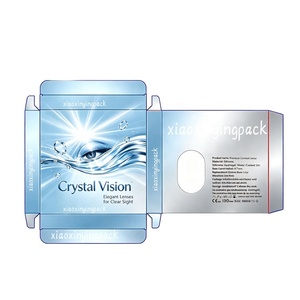
Four-Color Logo Printing Self Erecting Recyclable Custom Glossy Lamination False Eyelashes Colored Contact Lens Packaging Box
Get a Quote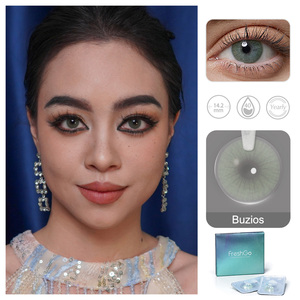
Free Shipping Freshgo Color Contact Lens 40% Water Soft Wearing Wholesale Made Natural Soft Color Eye Contact Lenses for 1 Year
Get a Quote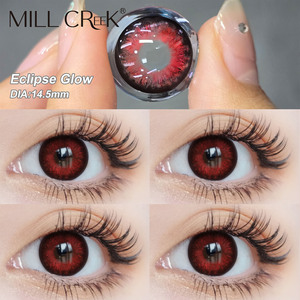
Haipurecon Hot Style Soft Contact Lenses Wholesale Natural HEMA Material Daily Wear High Quality Low MOQ
Get a Quote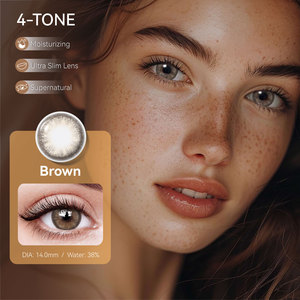
MIIEMO Fashion Contacts Lenses Manufacturer Good Contact Lens With High Quality Factory Price
Get a Quote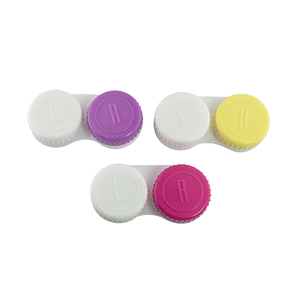
CHANXIN DC-9001 Classical Solid Color Hard Plastic 10g Lightweight Portable Irregular Shape Simple Jiangsu Made Contact Lens
Get a Quote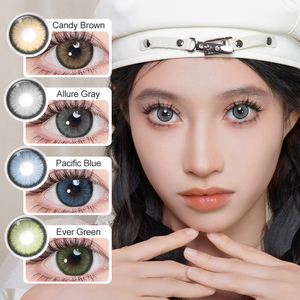
Free Shipping Products Magister Lenses Eye Contact Wholesale 14.5mm Colored Contacts Soft Natural Brown Eye Color Contact Lens
Get a Quote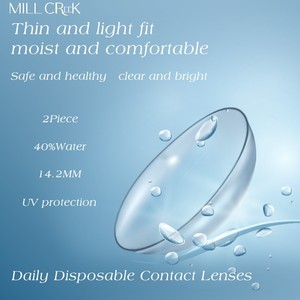
Wholesale Daily Disposable Transparent clear Contact Lenses Prescription Ready UV Defense for Eye Health Factory Direct
Get a Quote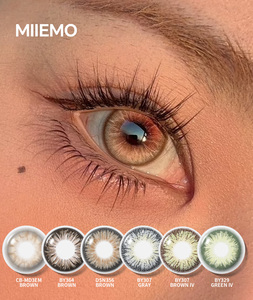
MIIEMO Creek Siri2.0 Wholesale Hot Selling China Contact Lenses, High-quality and Soft Colored Contact Lens
Get a Quote5 Core Pillars for Auditing Contact Lens Factories
Procuring medical devices in Spain requires balancing stringent EU medical regulations with local market preferences. Evaluate prospective manufacturers across these five operational dimensions.
1. Regulatory Integrity (AEMPS & CE MDR)
Under EU MDR 2017/745, contact lenses are classified as Class IIa or Class IIb medical devices. Ensure your factory partner holds valid CE certification from accredited Notified Bodies (e.g., TÜV, BSI) and maintains complete technical documentation required by Spain’s AEMPS (*Agencia Española de Medicamentos y Productos Sanitarios*).
2. Material Science & Oxygen Transmissibility
The Mediterranean climate of Barcelona presents specific hydration challenges. Evaluate polymers based on Oxygen Transmissibility ($Dk/t$ values) and water retention stability. High-Dk/t Silicone Hydrogels prevent corneal hypoxia during long urban commutes and high digital screen exposure.
3. Automated Cleanroom Production
World-class contact lens factories utilize ISO Class 8 (Class 100,000) cleanrooms equipped with fully automated cast molding machines and Automated Optical Inspection (AOI). Computer vision systems inspect 100% of lenses for edge defects, tears, and optical distortion before blistering.
4. Private Label Packaging & Customization
Building a distinctive retail brand in Catalonia requires adaptable OEM packaging options. Verify that the supplier offers localized foil printing, FSC-certified paper cartons, and multi-language patient information leaflets (Spanish, Catalan, and English) to fulfill regional compliance.
5. Logistics & DDP Barcelona Clearance
Supply chain bottlenecks can disrupt seasonal retail campaigns. Reliable factory partners provide complete Incoterms support (DDP Barcelona), managing customs duties, import clearance, and cold-chain/temperature-controlled freight into Catalan logistics hubs.
Contact Lens Material & Parameter Matrix for Spanish Retailers
Compare optical performance specs across primary contact lens material categories to optimize your product mix for Barcelona consumers.
| Material Type | Water Content (%) | Oxygen Transmissibility ($Dk/t$) | UV Defense | Ideal Local Application | Target Retail Channel |
|---|---|---|---|---|---|
| Daily Disposable Hydrogel (HEMA) | 55% - 58% | 25 - 30 $Dk/t$ | UV Cut (Class 2) | Urban commuter daily wear, budget-conscious buyers | Pharmacy chains, Supermarkets |
| Silicone Hydrogel (Third Gen) | 45% - 48% | 100 - 150 $Dk/t$ | UV Cut (Class 1 / UV400) | High screen usage, dry Mediterranean climate comfort | Boutique Optical Shops, Optometrists |
| Cosmetic Color Lenses (Sandwich Tech) | 38% - 42% | 20 - 25 $Dk/t$ | Integrated UV Protection | Fashion enhancement, beauty trends along Passeig de Gràcia | Beauty Boutiques, D2C E-Commerce |
| Prescription Toric Lenses | 48% - 55% | 80 - 120 $Dk/t$ | UV Cut (Class 1) | Astigmatism correction with fast rotational orientation | Specialty Ophthalmic Centers |
Localized Application Scenarios in Barcelona & Catalonia
Different commercial segments across Barcelona present distinct procurement demands. Here is how specialized lens formulations serve local market demands.
High-End Optical Chains (Passeig de Gràcia & Diagonal)
Boutique optical retailers located in Barcelona's luxury shopping corridors focus on high-margin, premium private-label silicone hydrogel lenses. End users prioritize extreme comfort, low dehydration rates during warm coastal summers, and UV400 filtering. Factories providing customized rigid blister foils with elegant minimalist typography match the premium aesthetic expected by Catalan buyers.
Cosmetic & Aesthetics Clinics (Eixample & Sarrià)
Barcelona is a premier hub for cosmetic procedures and aesthetic trends. Beauty clinics and modern drugstores stock non-prescription colored contact lenses featuring micro-encapsulated pigment layering ("Sandwich Technology"). This ensures that color pigments never touch the corneal surface while offering natural iris enhancement tailored to Mediterranean and international beauty preferences.
Catalan D2C E-Commerce & Subscription Platforms
Mobile-first shopping trends in Spain have expanded direct-to-consumer contact lens subscription models. E-commerce platforms based in 22@ Barcelona startup district require lightweight, letterbox-friendly outer boxes, batch-level barcoding for automated warehouse sorting, and reliable low-MOQ reordering systems to manage fast inventory turnover.
Pharmacy & Mass Supermarket Retail (Catalonia Wide)
Mass-market retail chains demand shelf-ready multi-pack daily disposables alongside multi-purpose cleaning solutions and eye drops. Factory suppliers must offer multi-lingual compliant packaging featuring clear diopter identification icons, tamper-evident security seals, and long product shelf life (up to 5 years) to optimize logistics efficiency.
Innovations Shaping the Catalan Eye Care Market
To maintain a competitive advantage in the Spanish market, procurement leaders must align with key consumer and environmental trends.
Eco-Friendly & Low-Plastic Packaging
Driven by Catalonia's progressive waste reduction directives, retail buyers are prioritizing contact lens suppliers that utilize 100% recyclable polypropylene blister cups and reduced foil weight, paired with FSC-certified post-consumer recycled paperboard cartons.
Blue-Light & High-Definition Optics
With digital device usage rising across Barcelona's tech and business sectors, lenses integrated with blue-light filtering monomers and spherical aberration control (HD Optics) are seeing increased demand among working professionals.
Preservative-Free Dry Eye Solutions
Accompanying contact lens sales, rewetting eye drops featuring Hyaluronic Acid (HA) in preservative-free multi-dose bottles are rapidly replacing traditional single-use vials in Spanish pharmacy channels.
Why Global Retailers Choose Kyralens Technology
Kyralens Technology Co., Ltd. is a global leader in private-label eye care development, supplying supermarket chains, pharmacy networks, and optical distributors across Europe, the Middle East, and Asia.
End-to-End Private Labeling
From initial optical material selection and parameter customization to structural box design and regulatory dossier preparation, we deliver complete turn-key solutions tailored to your brand identity.
Strict Regulatory Compliance
Our products strictly conform to EU MDR guidelines, holding full CE certifications, ISO 13485 quality system standards, and comprehensive batch lot traceability records for hassle-free European customs clearance.
Scalable Manufacturing
Whether launching a localized market pilot in Catalonia or scaling a national retail roll-out across Spain, our automated production lines maintain consistent batch-to-batch precision and reliable lead times.
Frequently Asked Questions for Spanish Optical Buyers
Get answers to common regulatory, logistical, and commercial inquiries regarding contact lens sourcing in Barcelona.
What documentation is required to import contact lenses into Barcelona, Spain?
Importing contact lenses into Spain requires full compliance with EU MDR 2017/745. The factory supplier must provide valid CE certificates issued by a recognized Notified Body, ISO 13485 quality management certificates, Declarations of Conformity, and product technical dossiers for registration with AEMPS (*Agencia Española de Medicamentos y Productos Sanitarios*). Kyralens supplies all required documentation prior to shipment.
What are the typical Minimum Order Quantities (MOQs) for private-label contact lenses?
MOQs depend on product customization levels. For standard stock diopters in factory blister packaging, pilot order MOQs start as low as 1,000 to 3,000 pairs per SKU. For fully customized private-label foil printing and bespoke outer boxes, MOQs typically range from 10,000 to 30,000 units per line. We offer flexible tiered pricing structures to accommodate both emerging e-commerce brands and established retail chains.
How long does shipping and customs clearance take to the Port of Barcelona?
Sea freight shipments to the Port of Barcelona generally take 25 to 35 days in transit from Asian manufacturing nodes, followed by 3 to 5 business days for customs clearance. Air freight via Barcelona-El Prat Airport (BCN) reduces transit time to 5 to 7 days for urgent inventory replenishment.
Are colored contact lenses classified as medical devices in Spain?
Yes. Under European regulations, cosmetic or zero-powered (plano) colored contact lenses are categorized as Class IIa medical devices, exactly like prescription corrective lenses. They must undergo identical safety, biocompatibility, and sterility testing standards under CE MDR guidelines.
Can Kyralens assist with multi-lingual packaging design (Spanish/Catalan)?
Absolutely. Our in-house design and regulatory compliance teams review all artwork to ensure correct labeling in Spanish, Catalan, English, and other regional languages. This includes required safety symbols, batch code formatting, expiry date layout, and mandatory patient instructions for use (IFU).
Build Your Contact Lens Brand in Barcelona
Partner with an ISO 13485 and CE-certified manufacturer to launch high-margin, private-label contact lenses, eye drops, and care solutions tailored to the Spanish market.
Get a Quote